Next generation insights from genomic data
How much insight are you getting from genomic data?
Big data, with billions of observations has sky-rocketed entire industries and enabled innovations like self-driving cars.
With the completion of the Human Genome Project and the advent of Next-Generation Sequencing, 'Big Data Revolution' in genomics and in the treatment, cure, and prevention of diseases was anticipated.
Unfortunately this did not happen. Why not?
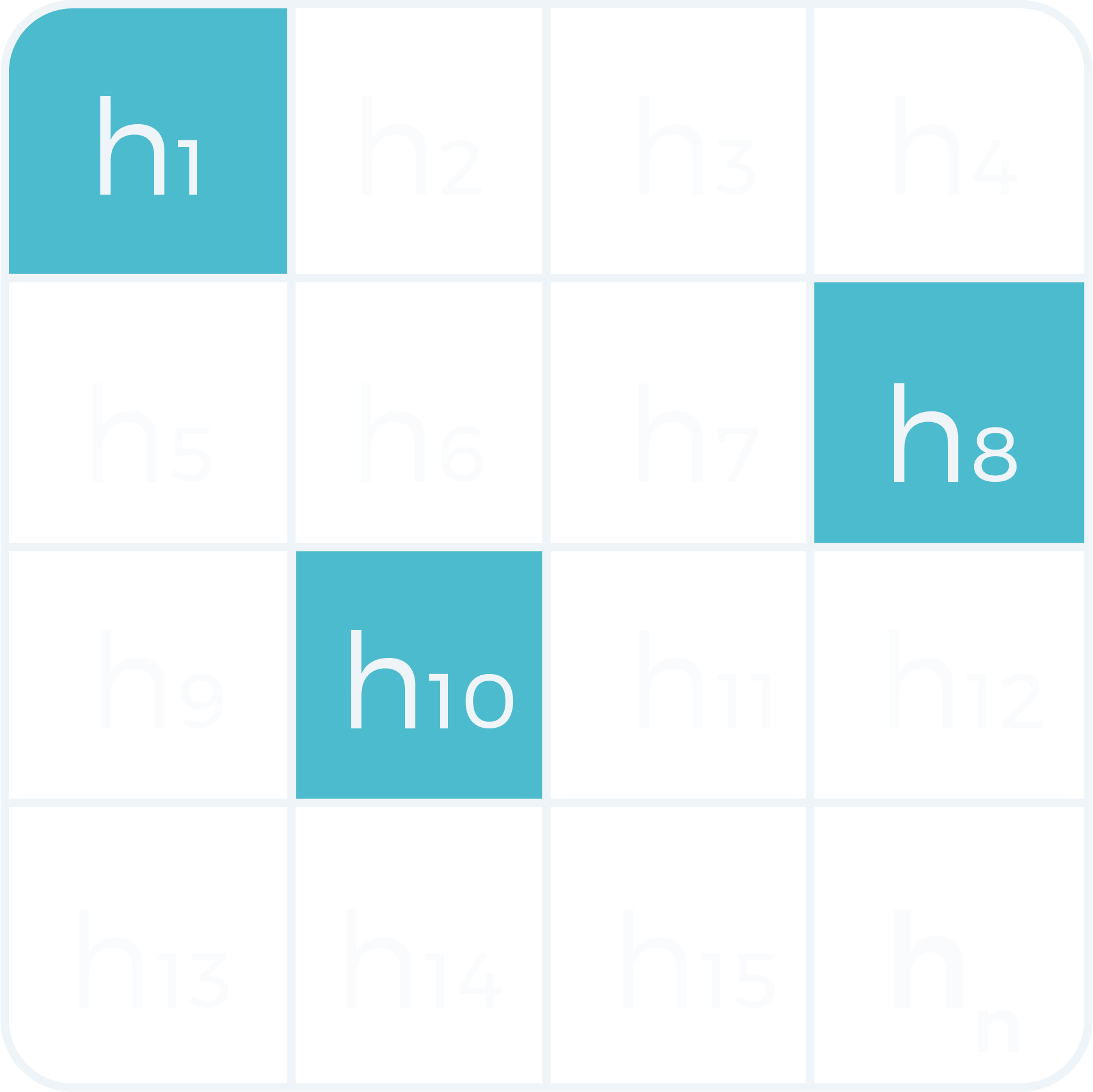
Genomic data is not big, but wide. With Wide Data, where the sample size (for example, the number of patients in a study) is much smaller than the number of variables (for example, the number of variants in a genome), the statistical problem of multiple testing emerges. Standard statistical models struggle to tell signal from noise, in particular when testing not single variants, but complex patterns.
Mass sequencing alone is not the answer. To reliably detect complex patterns that define polygenic diseases one would need to sample 500 times the population of Earth.

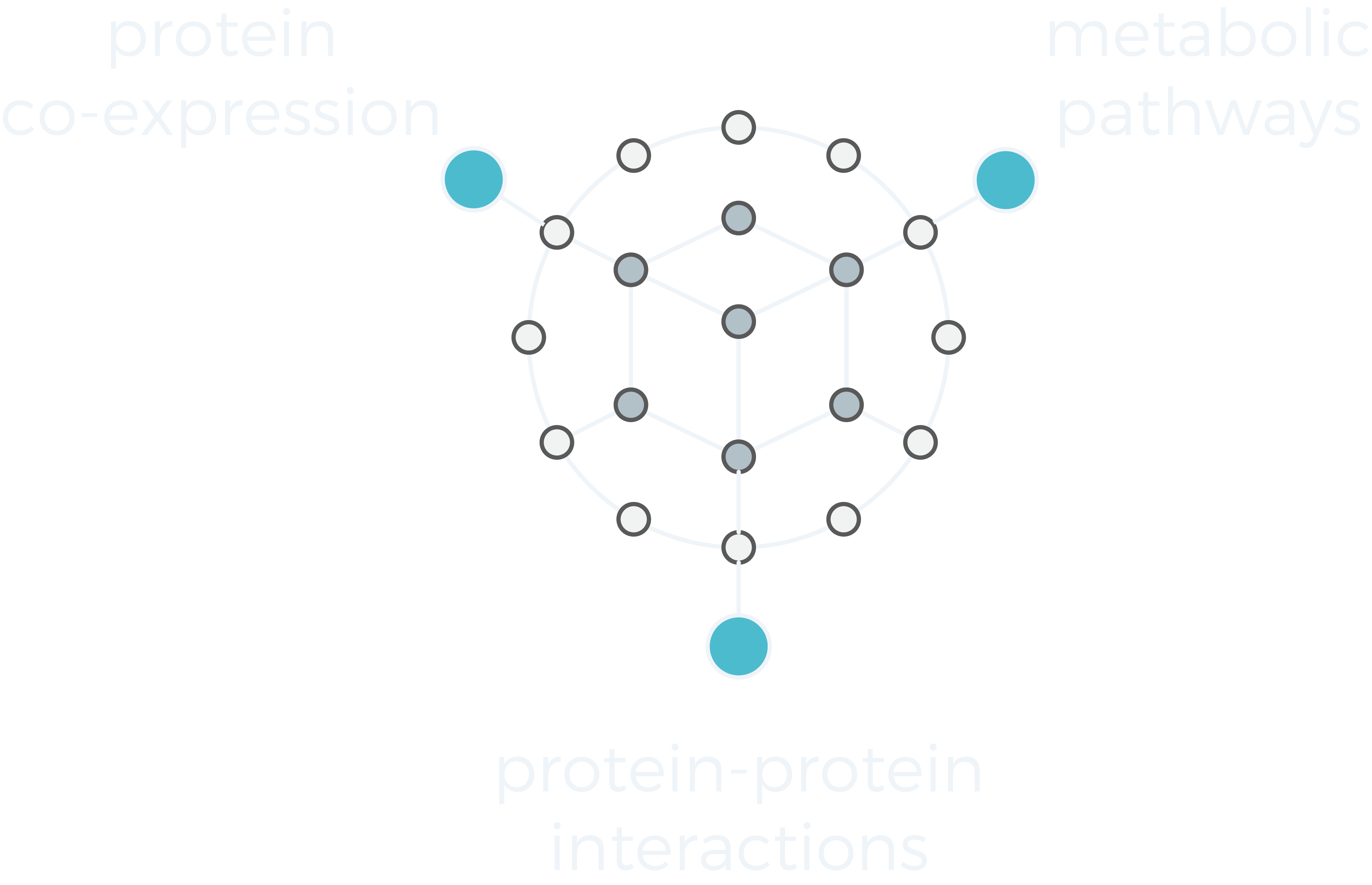
Instead of aimlessly testing all of the billions of possible combinations of genetic variants for a correlation to a disease, our AI works as a smart filter that selects hypotheses based on mining biomedical data bases and the scientific literature.
This results in models of diseases that contain manageable numbers of genetic variants but take into account the complexities of how these variants interact.
Our models enable better disease prediction, higher quality recommendations for drug targets, and more accurate patient stratification than competing methods.
Known Genes
New Genes
Information from over ten unstructured biomedical data sources - structured and connected on a knowledge graph for direct insights.
For example, for a given gene variant, our library provides the gene containing the variant, the protein it encodes, whether it is druggable, and if so, drugs (and candidates) available to target it, and which diseases are linked to it. The nature of knowledge graphs allows discovery of related drugs, diseases, genes and pathways.
Drug target linkages establish that the target addressed by a drug is central to a given disease mechanism. Clinical trials with genetic evidence for drug target linkage are twice as likely to succeed.
Our platform checks for drug target linkage and predicts the success of clinical trials.
Highly accurate polygenic diagnostics identify previously undiagnosed patients and take diagnostics into the age of next-generation sequencing - allowing us to leave the current break-and-fix approach behind in favor of the new predict-and-prevent paradigm.